

970x125
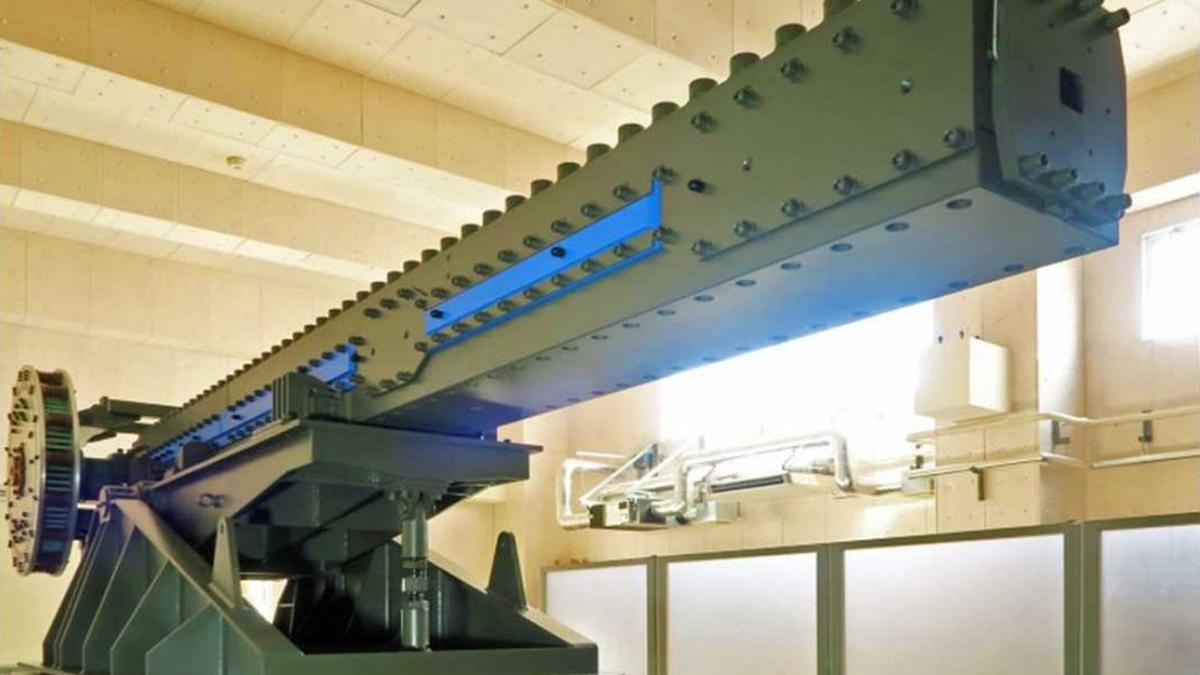
Science quiz: Most powerful non-nuclear bombs A railgun runs a strong electric current through parallel rails, using the resuting electromagnetic forces to accelerate a projectile to extreme speeds.START THE QUIZ
1 / 5 |
Eighteen years ago, Russia tested a weapon it called the “Father of All Bombs.” It was a ___________ weapon because it worked by dispersing a cloud of aerosols in the air and setting it on fire, freeing it from having to carry the oxidiser. Fill in the blank.
2 / 5 |
In 2003, the US Military developed the GBU43/B “massive ordinance air blast,” colloquially called “X”. The power of its blast was found to be equivalent to that of small nuclear weapons. It holds the record for being the heaviest explosive ever used in combat. What is “X”?
970x125
3 / 5 |
Russia’s VA-111 Shkval torpedoes use a physical concept called _______________. Here, the torpedo moves in water while the pressure behind it is lower than the vapour pressure of water, creating a bubble, which allows the torpedo to move very fast. Fill in the blank.
4 / 5 |
Y weapons come in two general forms: airbreathing and boost-glide. They are called so because they travel at more than five-times the speed of sound, allowing them to minimise the amount of time they spend being detectable by radar before they strike the target. What’s Y?
5 / 5 |
An EFP is a unique kind of weapon that’s designed to penetrate armour. It works by using a small bomb to deform a piece of metal into a pointy shape and propel it into an armoured surface. What does EFP stand for?
Answer : Explosively formed penetrator
DID YOU KNOW THE ANSWER?
YES
NO
SHOW ANSWER Published – September 12, 2025 03:08 pm IST
970x125
